Brisbane Casino Stays: Rooms, Dining and What to Check
 Available in AU
Casino-related searches can point to connected hotels, nearby accommodation or assumptions, so each property detail needs checking.
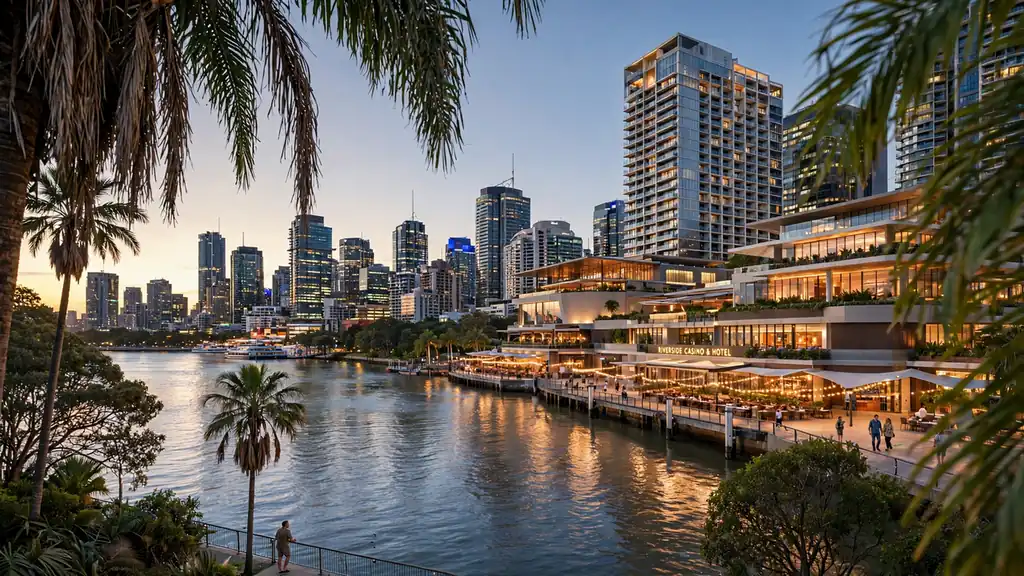
Table of Contents
- The Brisbane Casino Stay: Rooms, Not Just a Gaming Floor
- Poker Rooms and Tournaments: What the Search Terms Suggest
- Breakfast, Buffets and the Resort-Day Experience
- Parking, Online-Casino Searches and the Legal Divide
- Staying Nearby: Accommodation Beyond the Casino
- Contact Details, Bars and Getting in Touch
- Opening, Development and Events: Details That Need Confirmation
- Spa Searches, Addresses and Dress-Code Questions
- Restaurants at the Casino: Dining Searches Without a Verified Directory
- Food Courts and Pools: Resort Amenities in the Search Mix
The Brisbane Casino Stay: Rooms, Not Just a Gaming Floor
A search for a Brisbane casino hotel suggests more than a place to play. It points to a particular kind of stay: accommodation imagined as part of the casino experience, with a room serving as a base before and after time on the gaming floor. That expectation is understandable. Hotels and casinos have long been paired in the public imagination, making a single destination seem like an obvious convenience. But a search phrase is not proof that a particular property, room category or package exists.
The distinction matters when comparing hotel deals. A listing that mentions a casino may describe a hotel connected to one, a property in the same district, or simply accommodation marketed towards visitors interested in gaming. Those are different arrangements. Before treating a room as part of a casino stay, the relationship between the hotel and venue needs to be clear: whether the property is operated with the casino, physically connected, or separate altogether. Familiarity of wording is not a booking term.
Choosing an online casino while looking for options in Brisbane means checking the details that matter to you, such as licensing and deposit or payout information. These listings provide a concise starting point for reviewing the available options.
License: Curacao (operating since 2017) · Min. deposit: A$20 Uptown Pokies has operated since 2017 and holds a Curacao licence. Its minimum deposit is A$20.
License: Curacao, operated by Dama N.V. 7Bit Casino is licensed in Curacao and operated by Dama N.V. Those details provide a clear outline of its licensing and operator.
License: Curacao OGL/2024/1335/0780 · Min. deposit: EUR 20 Vegaz Casino holds Curacao licence OGL/2024/1335/0780. Its minimum deposit is EUR 20.
License: Curacao eGaming OGL/2024/923/0383 (Antillephone N.V.) · Min. deposit: A$30 WinSpirit Casino holds Curacao eGaming licence OGL/2024/923/0383, issued through Antillephone N.V. The minimum deposit is A$30.
License: Curacao Gaming Control Board JustCasino is listed with a Curacao Gaming Control Board licence. That licensing detail is the available point of reference for this listing.
License: Tobique Gaming Commission · Payout speed: crypto ~10-15 minutes, fiat 1-5 days · Min. deposit: A$30 SkyCrown is licensed by the Tobique Gaming Commission. Crypto payouts are listed at around 10–15 minutes, while fiat payouts take 1–5 days; the minimum deposit is A$30.
License: Curacao eGaming (Dama N.V.) JeetCity Casino holds a Curacao eGaming licence and is operated by Dama N.V. These are the key available details about its licensing and operator.
License: international iGaming licence – jurisdiction not named in the source · Payout speed: PayID 1-24 hours · Min. deposit: A$30 (PayID from A$10) House of Pokies has an international iGaming licence, though the source does not name its jurisdiction. PayID payouts are listed at 1–24 hours; the minimum deposit is A$30, or A$10 for PayID.
License: Curacao Gaming Control Board OGL/2023/176/0095 (Hollycorn N.V.) Neospin holds Curacao Gaming Control Board licence OGL/2023/176/0095, with Hollycorn N.V. identified as the operator. The licence and operator details are the available points of reference.
License: Curacao – Antillephone N.V. (Versus Odds B.V.) · Min. deposit: EUR 20 Thor Casino is licensed in Curacao through Antillephone N.V., with Versus Odds B.V. identified as the operator. Its minimum deposit is EUR 20.
Room details deserve the same care. A casino-hotel search can imply a view, a particular level of access or some other feature that has not been established. None should be assumed from the label alone. A reliable listing would state what the room includes, what facilities are available to hotel guests and whether any benefit is actually tied to casino access. Without that detail, the phrase “casino hotel” remains a category in the mind, not a description of a confirmed room.
Hotel deals introduce another layer of interpretation. A price or package may be presented as a special offer, but the useful question is what the offer covers and what conditions attach to it. Accommodation, cancellation rules, inclusions and access arrangements should be understood as separate parts of the booking. A casino-related headline cannot settle them. Nor does the word “deal” establish that the room is better value than another stay; that depends on the terms and the traveller’s plans.
The same caution applies to the idea of one seamless resort visit. A hotel room can make a casino outing feel self-contained, but that image should not be mistaken for a verified Brisbane arrangement. The actual connection between sleeping accommodation and gaming facilities has to be established by current property information. Until then, the useful way to read “casino hotel in Brisbane” is as an intention: the searcher wants lodging associated with a casino, not merely a room somewhere in the city.
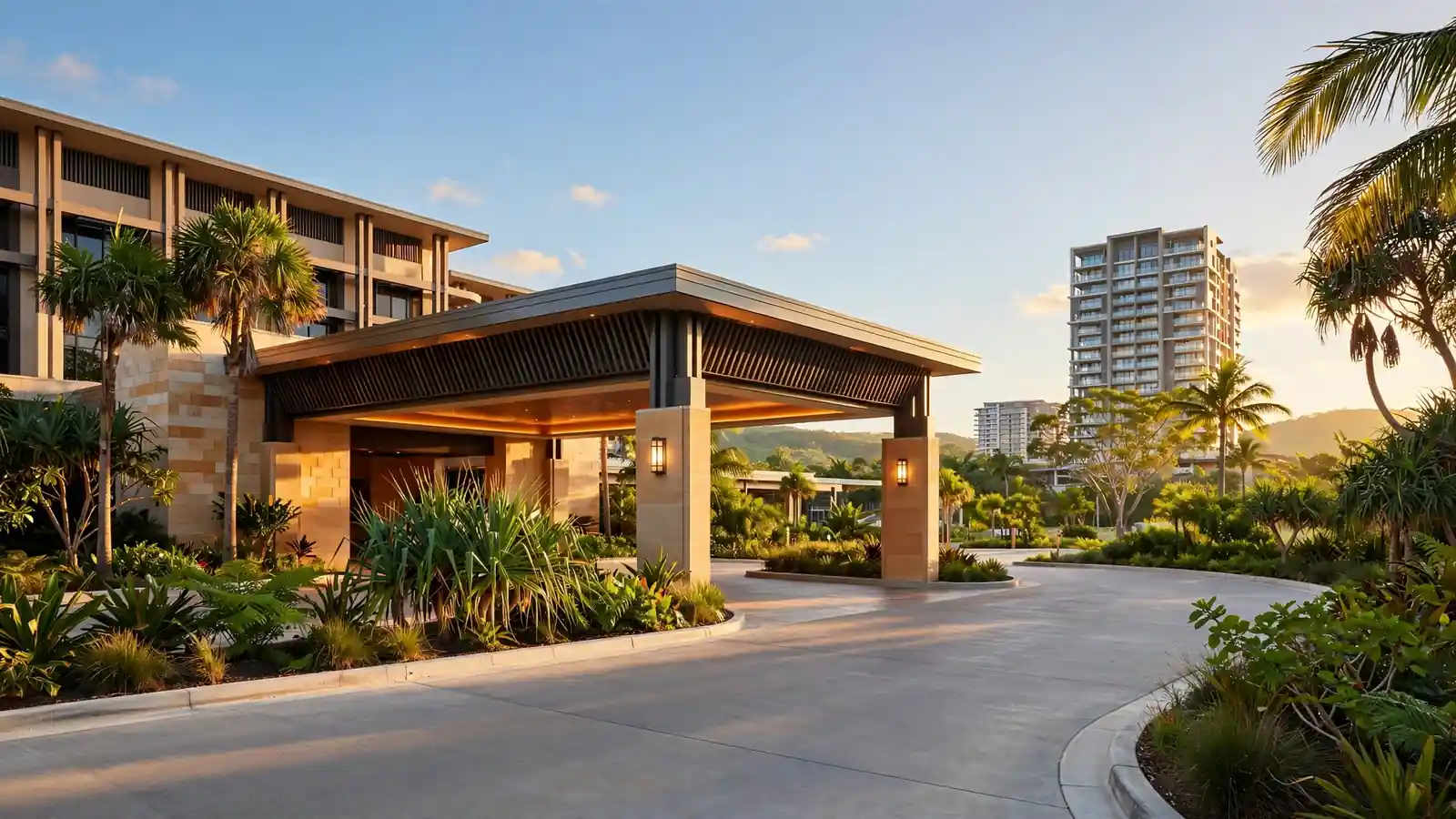
Casino hours can also shape expectations about a stay. Yet a hotel’s availability and a gaming floor’s operating schedule are not interchangeable facts. A guest may be able to stay at a property when a venue’s activities are unavailable, or the venue’s schedule may be unrelated to hotel access. The phrase “open” can conceal several different questions: whether accommodation can be booked, whether guests can enter the building, and whether gaming is operating. Each requires its own current confirmation.
That is why a hotel-focused description should separate the room from the attraction. The room is a lodging product, with its own terms and services; the casino is a venue with separate access and operating arrangements. A listing that blurs the two leaves the most practical details unresolved. The sensible standard is plain language: identify the property, explain its relationship to the casino, describe the room and specify any included access. Anything less asks a name to do the work of information.
For anyone considering a Brisbane casino stay, the central question is not whether the phrase sounds plausible. It is whether a current, identifiable property confirms the arrangement being advertised. Until that is clear, hotel deals and room descriptions should be treated as claims to check, not as evidence of a complete casino resort. A neat label is not a key.
Poker Rooms and Tournaments: What the Search Terms Suggest
Poker has its own vocabulary of place: a room, a table, a tournament, a field of players waiting for cards to turn. That vocabulary can be mistaken for a hotel-room search, but the two meanings are quite different. Here, “room” points towards a possible gaming space, not a place to sleep. The distinction matters because a result about accommodation says nothing about poker facilities, and a poker listing says nothing about a casino’s hotel arrangements.
A dedicated gaming space where poker games might run.
A structured competition with specific entry conditions, dates, and formats.
A separate amenity that does not confirm the availability of poker or gaming.
The terms also imply different kinds of play. A poker room suggests a dedicated setting where games might run; a tournament suggests a structured event, with players entering a competition rather than simply taking a seat in a cash game. Neither phrase establishes that a Brisbane venue offers either option. A tournament’s existence, format, entry conditions and date are particulars that need direct, current confirmation. The same applies to everyday availability: a past event notice is not a schedule, and a room mentioned in an old listing may not describe present operations.
That is less satisfying than a tidy calendar, but it is more useful than treating the word “poker” as proof. Venue names travel through directories, event pages and copied listings long after the underlying arrangements change. Even a photograph of a table establishes only that a table existed when the image was taken. For anyone comparing a poker room with a tournament, the central distinction is not cosmetic: one describes a place or regular offering, the other a particular competition.
Poker at a physical venue should also be kept separate from online poker. Under the Interactive Gambling Act 2001, online casino-style games, including poker, are prohibited when supplied to people in Australia by operators. A phrase such as “online poker” therefore does not describe a lawful local equivalent of a card room. Sports betting occupies a different legal category and remains widely accessible in Australia; that distinction does not turn poker into a permitted online casino service.


The boundary is about the service being provided, not merely the game’s name or the look of its interface. A physical card game and an online service are not interchangeable simply because both involve poker. Nor does an event title settle its rules or establish who may take part. The law is made to classify services; a venue’s own current information is needed to describe what happens on its premises.
A sports bar is another separate question. Its presence cannot be inferred from the words “poker room” or “tournament”, and a bar listing would not confirm that poker is available nearby. The same caution applies to opening status: a venue being described as a casino does not establish whether a particular room, event or bar is operating today. Those are distinct operational details, not consequences of the name.
Brisbane’s poker-room and tournament searches therefore point to a clear set of questions, but they do not answer them. The practical distinction is between a dedicated poker space, a dated competition and other casino facilities that happen to share a building. For current arrangements, the venue’s own published information is the relevant place to check; an old listing or a generic description cannot fill in the missing particulars.
Poker is specific. A room, a tournament and a sports bar each make a different promise, and none should be treated as evidence for the others.
Breakfast, Buffets and the Resort-Day Experience
Breakfast searches often carry a practical question beneath the name of a casino: can a visit begin with a meal, or is breakfast something to arrange elsewhere? A buffet adds a different expectation. It suggests a set service in which choice and timing matter as much as the food itself. Neither expectation should be mistaken for confirmation that a particular breakfast or buffet is operating at a Brisbane casino.
- Check breakfast and buffet availability directly with the venue.
- Verify operating hours before planning a visit.
- Confirm if dining services are open to non-hotel guests.
- Assume a “casino” label confirms dining options.
- Treat a buffet description as a confirmed menu.
- Rely on a “resort” image to guarantee specific amenities.
That distinction matters because the word “casino” can do too much work. It may refer to a gaming venue, a hotel stay, a dining stop or a larger resort idea assembled from all three. Search language can blend them into one imagined destination, but each service has its own arrangements. Breakfast availability, buffet service and the hours attached to either would need to be checked directly with the venue before plans are built around them. A familiar label is not a menu.
The buffet has its own social history. It turns a meal into a small exercise in choice: guests move, compare, return, and decide what counts as enough. In a resort setting, that can make breakfast feel less like a pause between activities and more like part of the day’s itinerary. But the format alone says nothing about what is served, whether it is open to people who are not staying overnight, or whether it operates at all. Those are separate questions, not details that can be inferred from the word “buffet.”
The same caution applies to “resort” language. It evokes a self-contained day, with food, leisure and accommodation gathered under one roof. As a description, it conveys an ambition; as a promise about a Brisbane venue, it requires evidence. A casino may be searched alongside resort terms without those terms establishing a resort’s facilities or services. The image is easy to conjure. The arrangements are less so.
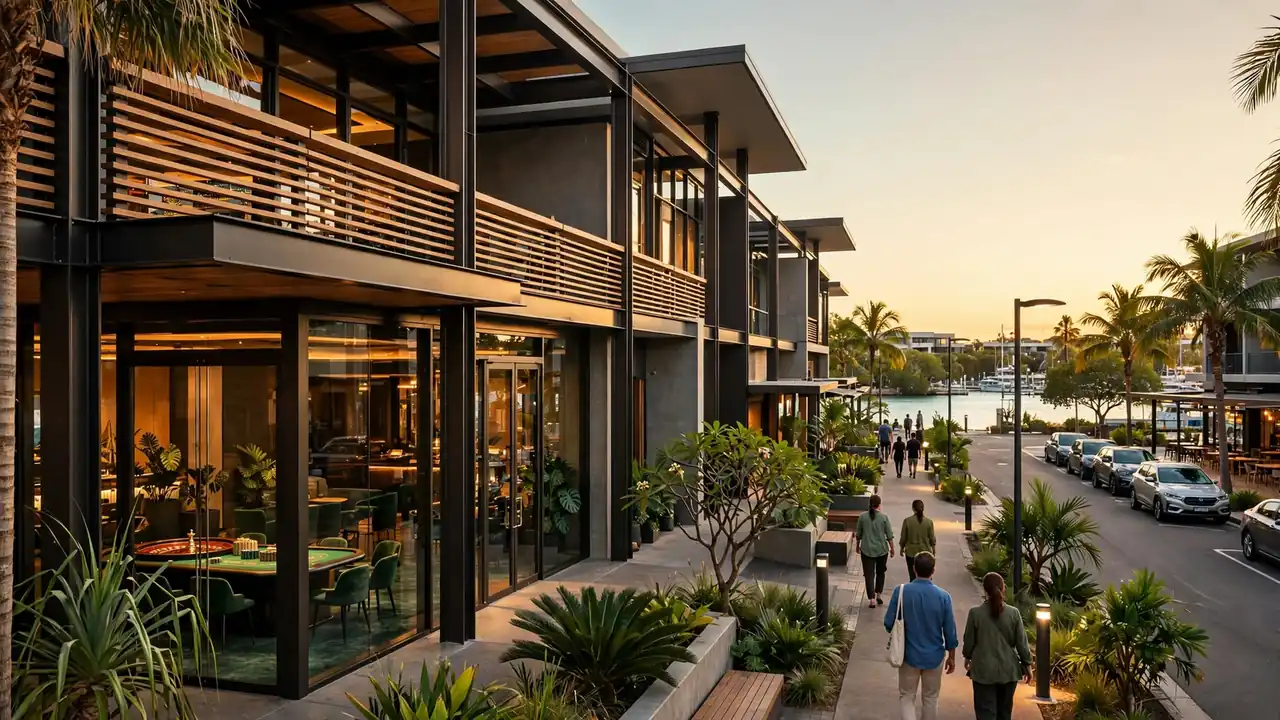
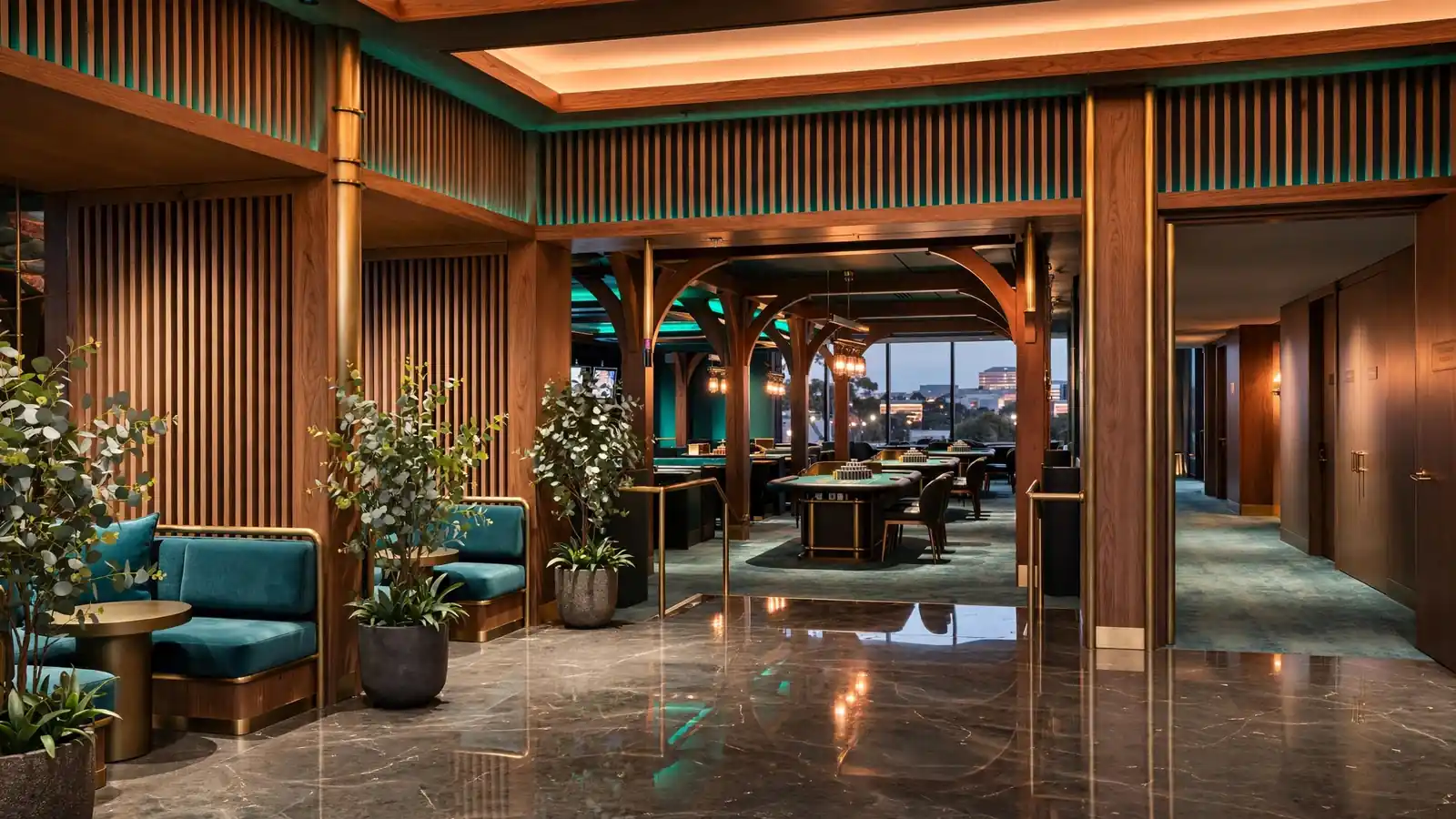
Rewards language sits beside this picture, but it belongs to another kind of expectation. A rewards programme, if one is offered, would have its own membership rules and benefits. The word does not establish that meals are included, discounted or connected to a stay. Treating it as a dining offer without checking the terms would turn a broad label into a specific claim. That is how small misunderstandings acquire the polish of certainty.
There is also a less leisurely strand in searches about casino jobs. Someone looking for work is asking about employment, not breakfast, and a job title or vacancy cannot be inferred from the venue’s presence in a search. Hiring arrangements, roles and application details need current information from the operator. A resort-like setting may suggest a wide workforce, but suggestion is not a vacancy notice.
For anyone planning a morning around a casino visit, the useful questions are modest: whether breakfast is served, whether a buffet is available, who may use it, and when the service runs. For someone considering rewards or employment, those are separate enquiries with separate terms. A day out can be imagined as one seamless package. In practice, each part has to stand on its own.
Parking, Online-Casino Searches and the Legal Divide
Parking is a practical question, not a minor footnote to a casino visit. Someone arriving by car may need to know whether there is on-site parking, whether valet service is available, what it costs and whether any free-parking arrangement applies. Those details should be checked against current venue information before setting out; a search result or an old listing is not a reliable promise of access or price. The same caution applies to the phrase “casino parking” when it appears beside dining plans: a meal does not, by itself, establish a parking concession.
Legal Prohibition
Under the Interactive Gambling Act 2001, Australian-based operators are prohibited from providing real-money online casino games to people in Australia.
The appeal of a free space is obvious in a city where a night out involves more than the gaming floor. Yet parking policies are operational details, subject to change, and they should not be inferred from the word “casino” or from another venue’s offer. Valet parking, where available, is a separate service from self-parking. Neither should be assumed without current confirmation. A small piece of logistics can decide whether the evening begins calmly or with a circuit of the block.
Online searches that pair Brisbane with a casino belong to a different category. They can sound like an invitation to find a local website for pokies, blackjack or roulette, but the legal distinction is decisive: under the Interactive Gambling Act 2001, operators based in Australia cannot provide real-money online casino games to people in the country. These services are not the online equivalent of visiting a Brisbane venue.
Offshore platforms sit outside Australian regulation. Their use by players is not itself treated the same as an operator providing prohibited services, but that does not make the platforms locally regulated or protected. If a dispute arises, recourse may be limited, and winnings may not be secure if an operator becomes insolvent. The grey area is a legal description, not a quality mark.
Location controls add another complication. Online casinos and game providers can use an IP address to identify where a player is connecting from and may hide games or prevent them from loading in excluded regions. A VPN can make a connection appear to come from elsewhere, but using one to reach region-blocked pokies sites breaches the service terms and can lead to account suspension. A changed digital location does not change the law or create dependable consumer protection.

That distinction is easy to lose amid searches that mix a physical casino, dining and online play. These are not interchangeable services, and a local venue name does not establish that online casino games are legally offered to Australians. Nor does an offshore website acquire Australian oversight merely by being accessible. Sports betting has a different legal position; it should not be used to blur the rules around online casino games.
For a visit, the useful question is whether parking arrangements are currently confirmed by the venue. For online play, the more important fact is that real-money casino games remain prohibited for Australian-based operators, while offshore platforms operate beyond Australian regulation. The two searches lead to different doors. One is a car park; the other is a legal boundary.
Staying Nearby: Accommodation Beyond the Casino
A search for somewhere to stay near a Brisbane casino points to a different decision from booking a casino-associated hotel. The first is about a base in the surrounding city: where it sits, what it costs for the dates required, and how easily it connects with the rest of the trip. The second assumes a stay attached to the venue. The distinction matters, because similar wording can lead to quite different expectations.
“Nearby” is not a fixed measure. It may mean a short walk, a straightforward trip by public transport, or simply a place within the same broad part of Brisbane. A map can make those options visible, but distance alone says little about the route, the time it takes, or whether it suits the purpose of a visit. An address should be checked against the actual journey planned, rather than treated as a promise of convenience.
“Nearby” accommodation is not a fixed measure and can vary from a short walk to a trip via public transport.
Accommodation deals require the same care. A low displayed rate can be tied to particular dates, room conditions or cancellation rules. Comparing the full terms is more useful than comparing a headline price: whether payment is refundable, what is included, and what happens if plans change. These are ordinary booking details, not casino promotions. The two can appear together in a visitor’s planning, but one does not establish the availability of the other.
The language of a “Brisbane casino location” can also blur the difference between the venue and a place to sleep nearby. A casino’s address identifies where an outing begins; it does not tell a traveller which accommodation suits them. That depends on the wider itinerary, the routes between stops and the amount of time spent away from the room. A city stay may be chosen for reasons that have little to do with gaming at all.
This is where the idea of a single best deal becomes rather thin. The cheapest option may be poorly placed for the rest of a trip, while a higher rate may include conditions that matter more to a particular booking. Dates, cancellation terms and the intended route are the useful points of comparison. A promotion, where one is advertised, still needs to be read as an offer with terms, not as proof that the surrounding stay is automatically good value.
Search language often compresses several questions into one: where the casino is, what accommodation lies around it, and whether a special rate is available. Those questions should be separated before booking. First establish the venue’s current address through its official information; then check accommodation addresses and booking conditions independently. No assumed link between a hotel and a casino should substitute for that check.
A nearby stay is ultimately a choice about the city, not merely the gaming floor. Brisbane can be the destination for a concert, a meeting, a weekend away or a visit with several stops. Accommodation makes sense when it serves that larger itinerary. The casino may be one point on the map, not the whole map.
Contact Details, Bars and Getting in Touch
A useful contact page does more than display a number. It identifies the venue, gives a current address, and makes clear which team handles general enquiries, bookings or accessibility questions. Those details matter particularly when a visit depends on transport, a reservation or a concert schedule. A number copied into an old directory can remain searchable long after it stops being useful.
For Brisbane casino enquiries, the safest starting point is the venue’s own current website or verified social channels. A contact number should be checked there before it is used, and any email address should match the organisation’s published domain. Search-result snippets and third-party listings may be convenient, but they can preserve outdated hours or route calls to the wrong department. A small administrative detail; sometimes the whole evening rests on it.
Bars and gaming terminology
A bar associated with a casino is a distinct practical question from the broader search for dining. Venue listings can clarify whether a bar is operating, what its access conditions are and whether a booking is relevant. Those particulars can change, so a dated directory entry is a poor substitute for a current venue notice. No assumption about a bar’s name, location or service should be built from the phrase “casino bar” alone.
Gaming Terminology
Terms like Baccarat and Craps are general gaming terms and do not serve as proof that a particular table or schedule is currently available at a Brisbane venue.
Baccarat and craps also appear in searches connected with Brisbane casinos. They are gaming terms, not proof that a particular table, game or schedule is available at a venue. The distinction is useful: a search for a named game may reflect general interest rather than a confirmed local offering. Current information belongs with the venue’s own gaming and visitor updates, rather than in a guessed description of its floor.
Maps, parking and event information
A map should answer the practical questions that a pin alone cannot: which entrance is intended, whether the address is the public arrival point, and how the location relates to nearby streets or transport. When directions are being checked, the venue’s own map or a reputable mapping service is more useful than an image reposted without context. The same care applies to car-park details. A map marker does not establish parking access, entry arrangements, prices or availability; those should be confirmed through current venue information before setting out.
Concert searches need similar attention to dates. An old event page can continue circulating after a performance has passed, while a general entertainment listing may not identify the venue or its entry arrangements clearly. Current listings should be matched against the venue’s own announcements, with ticketing and access information checked at the same time. This keeps a concert enquiry separate from the broader question of what the venue offers on an ordinary night.
The practical thread linking phone numbers, maps, bars and events is provenance. A contact detail is only useful when it belongs to the right organisation and is still maintained; a map is only useful when it leads to the intended entrance. Official channels are not glamorous, but they are where a change in arrangements is most likely to be recorded. The rest is guesswork.
Opening, Development and Events: Details That Need Confirmation
“Open” can mean two different things: whether a venue is operating at all, and when its doors are open on a particular day. A reopening is a third question, tied to a closure or a change in operations. These distinctions matter in Brisbane, where a confident snippet can make a plan sound like a completed event. Current operating status and hours belong to the venue’s own notices, checked close to the intended visit; old listings may survive long after circumstances change.
Development is another category, not a synonym for opening. A proposal, a planning decision and a completed project are separate stages, and the language used in headlines does not always make the difference clear. For a Brisbane casino development, official planning and government records are stronger evidence of formal decisions than promotional descriptions or repeated reports. Even an approved project does not, by itself, establish when a venue or facility will be available.
Employment searches call for similarly careful reading. A reference to jobs may describe recruitment, a past vacancy or a general career page rather than a position currently accepting applications. The useful details are the employer named in the listing, its publication or closing status, and whether the application route belongs to that employer. Job notices age quickly. A search result can remain polished after the opportunity has vanished.
Entertainment and events are more changeable still. A venue’s general entertainment offering is not a schedule, and an event announcement is not proof that it remains on the calendar. Date, venue, ticketing information and any later update should agree across the organiser’s and venue’s official channels. Where they do not, the disagreement is itself a reason to pause before making plans. A listing is not a promise.
Operating Status
- Verify operating hours and reopening news via official venue notices.
- Distinguish between formal development proposals and completed projects.
- Match event dates and ticketing with official organizer channels.
- Treat reviews as personal impressions rather than current operating facts.
Reviews are snapshots, not operating notices. Their value depends on when they were written and what they actually describe: a particular visit, a former arrangement or a broad impression. A review can help explain how someone experienced a place, but it cannot confirm today’s opening hours, current development status or forthcoming events. Sentiment travels further than dates.
Menu searches belong to a different practical question: what food is available and when. Those details should be checked against current venue information rather than inferred from a general review or an old event listing. The distinction is modest but useful; a menu mention in a review is not a live menu.
For anyone assessing the venue’s present status, the sound approach is to separate the claim from the evidence: operating hours from reopening news, recruitment from old job notices, and announced events from confirmed schedules. Brisbane deserves fewer rumours dressed as timetables.
Spa Searches, Addresses and Dress-Code Questions
A search for a casino spa can suggest an easy pairing: a treatment before an evening out, or a day built around several amenities in one place. But the phrase alone does not establish that a spa operates at a Brisbane casino, what treatments it offers, or whether appointments are available. Those are venue details, not promises hidden inside a name. A current, official venue directory is the sensible place to confirm whether a spa exists and what access involves.
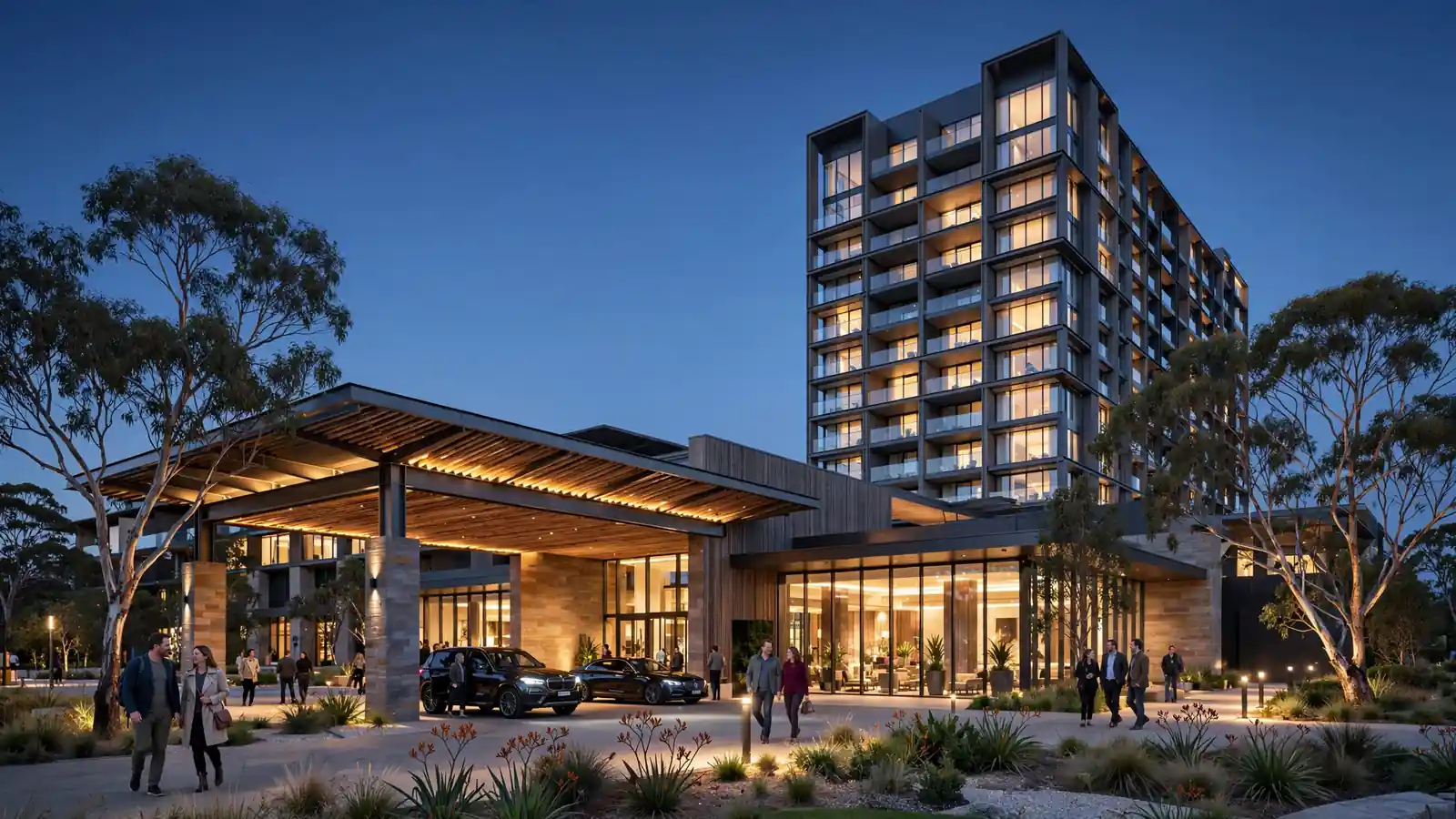
The address is a separate matter. “Brisbane casino” can refer to a venue, a hotel stay, or a destination in a wider entertainment precinct; those are not necessarily interchangeable when planning a visit. Directions copied from an old listing may outlast the details they once described. Before travelling, confirm the venue’s current address and visitor information through its official channels.
Dress codes also depend on context. A spa, a gaming floor, a bar and a special event may each have different expectations, and a rule for one area should not be assumed to apply everywhere. Search results can flatten those distinctions into a single answer, while the venue may set conditions by location or occasion. Current guidance from the operator is more reliable than a general claim about what “casinos” require.
There is a wider civic detail in that small inconvenience. A large leisure venue is often imagined as one seamless destination, but its spaces may be run under different rules and serve different purposes. The label “resort” can imply a complete package; it does not certify every amenity. A spa listing, an address and a dress code each answer a different practical question.
The same caution applies to nearby bars, games and careers information. A venue’s bars are not proof of a spa, and a games listing says little about what to wear. Job vacancies belong to the operator’s current recruitment information, not to visitor guidance. These details change on their own schedules.
For a visit, the useful sequence is plain: establish the exact venue, check that the amenity is actually offered, then confirm any access or clothing requirements directly with the operator. That is less romantic than the idea of arriving at a self-contained resort and finding everything in place. It is also more dependable.
Visit Preparation
- Establish the exact venue address via official channels.
- Confirm the specific amenity (e.g., spa) is actually offered.
- Verify the dress code for the specific area of the venue.
- Check current appointment availability for treatments.
Restaurants at the Casino: Dining Searches Without a Verified Directory
A request for restaurants at a Brisbane casino sounds straightforward: a list of places to eat, perhaps with menus and hours. But a venue name in a search phrase is not proof of a dining directory. Restaurant names, current menus and opening times need confirmation from the venue before they can be treated as reliable. Without that, a confident list would be decorative rather than useful.
The wording also leaves room for different expectations. “At the casino” suggests dining within the property; “near the casino” could mean an independent restaurant elsewhere in the surrounding area. Those are not interchangeable categories. A place nearby may have no connection to the casino, while a venue inside a complex may operate under its own booking, access and service arrangements. Location and affiliation matter as much as the menu.
Restaurant searches should also be kept distinct from searches for breakfast, buffets or a food court. Each describes a different kind of meal or setting, and details belonging to one cannot establish what another offers. A restaurant directory is useful only when it identifies the actual venues and makes clear which information is current. Broad labels such as “dining options” do not answer whether a particular restaurant exists, what it serves or when it opens.
The rooftop-bar wording raises a related but separate question. A bar may serve food, but that alone does not make it a restaurant; nor does the phrase establish that a rooftop venue is present. Treating the two as synonyms can lead to the wrong expectation about seating, meals and the purpose of a visit. The distinction is ordinary, but the internet has a talent for turning ordinary distinctions into confident listings.
For anyone comparing Brisbane casino dining, the sound approach is to look for a current venue directory published by the property, then confirm the details directly before making plans. Menus can change, service hours can vary, and a listing copied across multiple pages may simply repeat old information. A page that gives a venue name without a date or a link to an authoritative source offers little basis for deciding where to eat.
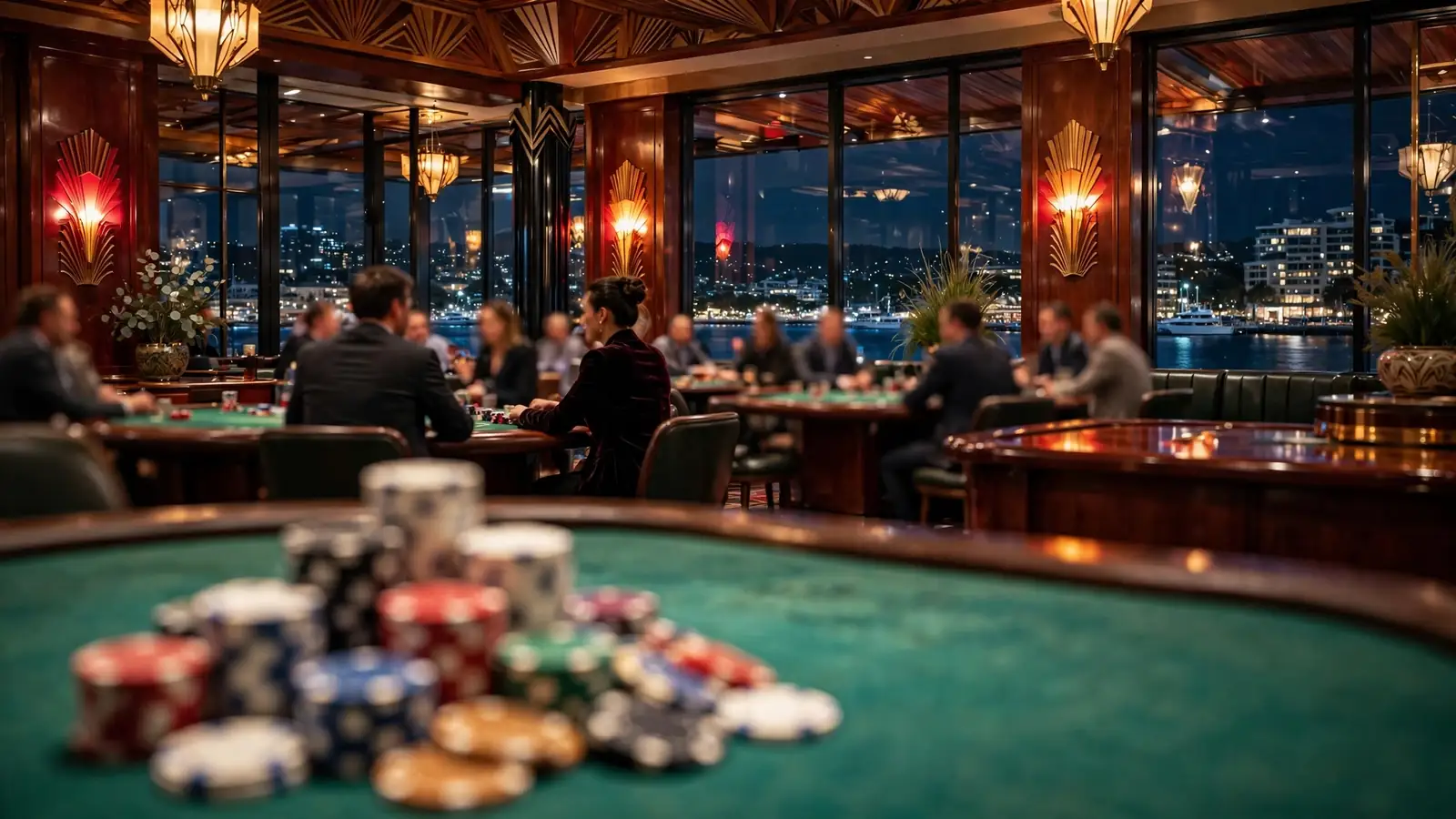
This caution is not a claim that dining is unavailable. It is a boundary between what a search phrase implies and what a confirmed listing can establish. Until the restaurant names and practical details are clear, the useful answer is not an invented shortlist but a distinction: casino restaurants, nearby independent restaurants and rooftop bars are separate possibilities, each requiring its own confirmation.
Food Courts and Pools: Resort Amenities in the Search Mix
Food-court interest points to a different kind of meal from a restaurant booking or a buffet: quick, informal options that might fit between other parts of a visit. But the phrase “casino food court” does not establish that one operates at a Brisbane casino. Nor does a general interest in food say anything reliable about what is served, where it is available or when.
The same distinction matters for pool searches. A pool can suggest a resort-style day, but that image is not evidence of an amenity at a particular venue. Even where a pool exists, access may depend on whether it belongs to a hotel, is open to day visitors or is reserved for guests. Those conditions are venue-specific; assumption is a poor substitute for them.
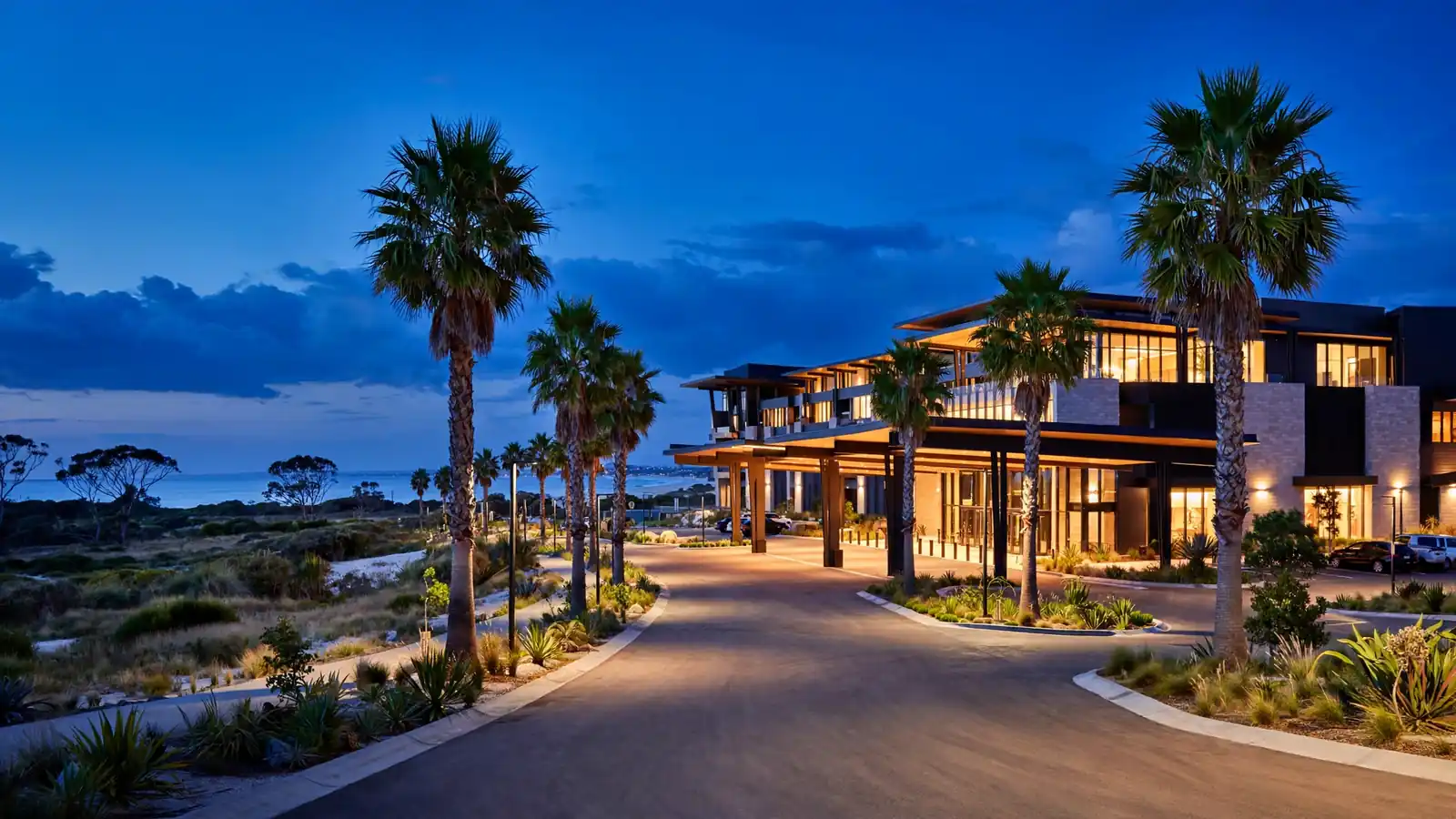
Food courts and pools belong to the wider vocabulary of resort leisure. They imply that a casino might offer more than gaming and dining, and that a visit could be organised around several activities. Yet each facility has its own practical questions. Is the food area open to the public? Is pool access included with a stay, or separately controlled? Are operating hours seasonal? Only current venue information can settle such details.
This is not the same as choosing among named restaurants or comparing buffet offerings. The interest here is in casual food and recreation as possible parts of the visit, not in menus or a meal occasion. Until the venue’s own current information confirms those facilities and their access conditions, neither should be treated as a guaranteed feature of a Brisbane casino outing.
Resort language travels easily. Amenities less so.
What does the legal status of offshore online casinos and NSW gambling law say?
The Interactive Gambling Act makes it illegal for an Australian-run online casino to offer services to players in Australia. Offshore casinos are not regulated under Australian law, although it is technically not illegal for Australian players to use them.
How do NSW pokies regulators monitor player protection?
NSW has mandatory pre-commitment systems requiring players to set a loss limit before playing.
What is the legal age to play pokies in NSW?
You must be 18 or older to gamble on poker machines in NSW.
Are online casino-style games restricted in Australia?
Yes. The Interactive Gambling Act restricts Australian-based operators from offering online casino games such as pokies, blackjack and roulette to people in Australia; sports betting remains widely accessible and legal.
Created by the ”Wildtokyoslotshubau.com” editorial team.