Sydney Casino: Hotels, Dining and Visitor Details
 Available in AU
A practical overview of nearby accommodation, food, events and other common searches related to a casino visit in Sydney.
Table of Contents
- Staying Near the Casino: Hotels and Rooms
- Poker Rooms, Tournaments and the NSW Rules
- Breakfast, Buffets and the Resort Experience
- Online Casino Searches and the Australian Legal Line
- Accommodation Beyond the Hotel
- Contact Details, Bars and Table-Game Searches
- Opening, Events and the Casino’s Public Life
- Address, Dress Expectations and Spa Searches
- Restaurants Around the Casino
- Food Options and the Pool Query
Staying Near the Casino: Hotels and Rooms
A hotel stay tied to a casino can mean two different things: a room within a resort that includes gaming, or an ordinary hotel chosen for its proximity to a casino. The distinction matters in Sydney, where a phrase such as “casino hotel” can point to a type of stay rather than a clearly defined property. The name alone does not establish whether the room is on site, how close it is, or what facilities come with it.
For a hotel near Sydney’s casino district, distance is best judged by the route between the hotel entrance and the venue entrance, not by a pin on a map. A short straight line can conceal a longer walk around buildings, roads or waterfront edges. The useful comparison is practical: the route on foot, the available transport, and how the return journey would work at the time of the visit. A room that looks nearby in a listing may not feel nearby once the whole route is considered.
Choosing a casino for a Sydney-focused search in 2026 calls for checking the available licensing and payment details rather than relying on the location in the search term alone. This list offers a concise reference to the information provided for each operator.
License: Curacao (operating since 2017) · Min. deposit: A$20 Uptown Pokies has operated since 2017 and holds a Curacao licence. Its minimum deposit is A$20.
License: Curacao, operated by Dama N.V. 7Bit Casino is licensed in Curacao and operated by Dama N.V.
License: Curacao OGL/2024/1335/0780 · Min. deposit: EUR 20 Vegaz Casino holds Curacao licence OGL/2024/1335/0780. Its minimum deposit is EUR 20.
License: Curacao eGaming OGL/2024/923/0383 (Antillephone N.V.) · Min. deposit: A$30 WinSpirit Casino holds a Curacao eGaming licence, OGL/2024/923/0383, issued through Antillephone N.V. Its minimum deposit is A$30.
License: Curacao Gaming Control Board JustCasino is licensed by the Curacao Gaming Control Board.
License: Tobique Gaming Commission · Payout speed: crypto ~10-15 minutes, fiat 1-5 days · Min. deposit: A$30 SkyCrown is licensed by the Tobique Gaming Commission. The provided payout estimates are around 10–15 minutes for crypto and 1–5 days for fiat; the minimum deposit is A$30.
License: Curacao eGaming (Dama N.V.) JeetCity Casino holds a Curacao eGaming licence and is operated by Dama N.V.
License: international iGaming licence – jurisdiction not named in the source · Payout speed: PayID 1-24 hours · Min. deposit: A$30 (PayID from A$10) House of Pokies lists an international iGaming licence, though the jurisdiction is not named in the source. PayID payouts are listed at 1–24 hours, with a A$30 minimum deposit or A$10 for PayID.
License: Curacao Gaming Control Board OGL/2023/176/0095 (Hollycorn N.V.) Neospin holds Curacao Gaming Control Board licence OGL/2023/176/0095, with Hollycorn N.V. named in the licence details.
License: Curacao – Antillephone N.V. (Versus Odds B.V.) · Min. deposit: EUR 20 Thor Casino is licensed in Curacao through Antillephone N.V., with Versus Odds B.V. identified as the operator. Its minimum deposit is EUR 20.
Hotel room searches also mix unlike products. A standard room, a suite, a room with a particular view and a package that includes extras are not interchangeable simply because they appear under the same hotel name. The room description, cancellation terms and total price should be read together. A striking image is not a floor plan, and a low headline price may not represent the final cost once the dates and conditions are entered.
Hotel deals around a casino can be especially difficult to compare because the word “deal” may refer to a discounted rate, an added inclusion or a booking condition. The sensible measure is the full cost for the intended stay, alongside what can be changed or cancelled. A flexible booking may have a different value from a cheaper rate that locks in the dates. Neither is automatically better; the difference is whether the arrangement suits the visit.
There is also a small but important question of what “near” is meant to buy. Some visitors want a brief walk back after an evening out; others want a base for a wider Sydney stay and will use the hotel mostly as somewhere to sleep. Those are different decisions disguised as one location search. For the first, the door-to-door route matters most. For the second, the room’s location relative to the rest of the planned trip may matter more than its distance from the casino.
The phrase “casino hotel in Sydney” should therefore be treated as a starting label, not a guarantee of a particular experience. A listing may describe a hotel’s location, its connection to a venue, or simply the audience it hopes to attract. Before booking, the property’s own description can clarify whether the casino is part of the same complex or merely nearby. The difference is plain enough. The marketing is not always.
Opening hours are another detail that can be mistakenly folded into accommodation planning. A hotel’s reception and check-in arrangements are not the same as a casino’s operating hours, and neither should be inferred from the other. Hours can change, so any visit planned around a particular time calls for current confirmation from the venue itself. A room reservation does not establish that every part of a resort or casino is open whenever a guest arrives.
For anyone comparing Sydney casino hotels, the most reliable shortlist is built from verifiable details: the exact property, the room category, the booking conditions, the full price and the route to the venue. This keeps the decision about lodging separate from assumptions about gaming access or opening times. Proximity can make a stay easier to organise, but it cannot answer every practical question on its own.
Poker Rooms, Tournaments and the NSW Rules
A request for poker at a Sydney casino can mean two quite different things: a live card game, where players compete against one another, or the electronic gaming machines commonly called pokies. The distinction matters. They may share a word, but not a format or a set of practical questions.
A poker-room or tournament listing concerns live play: whether a venue runs games, what formats are offered, how entry works and whether a particular event is scheduled. Those details can change, so an old tournament calendar is a poor guide to what is happening today. The same goes for whether a room is open now. Current information should come from the venue’s own channels; a search result can preserve yesterday’s certainty long after yesterday has passed.
Tournament calendars and room availability can change quickly. Current information should be sought through the venue’s own official channels rather than search results.
“Casino rooms” can also mean accommodation, though in a poker context it may refer to a playing area. The wording is ambiguous, and the useful answer depends on which room is meant. Sports-bar searches sit nearby in the same map of a night out, but they do not establish that a poker tournament is running or that a gaming area is open. Separate facilities, separate questions.
Poker machines and NSW safeguards
Pokies are a different matter from live poker. In NSW, the minimum legal age for gambling on poker machines is 18. Venues must check identification for this gambling and advise people of the legal consequences of not complying. A confident appearance is not an identity document.
NSW also requires pre-commitment systems for poker-machine play. These allow a player to set a loss limit before beginning. The idea is to put a boundary in place before the atmosphere of a gaming floor has had its say. Such a setting is a safeguard, not a promise that gambling will remain harmless or that a chosen limit will suit every person.
The scale of machine gambling is visible beyond casinos. Club Liverpool has the largest number of operational poker machines among clubs in NSW. That fact belongs to the club sector, not to a ranking of Sydney casino poker rooms; it shows how much of the state’s gambling landscape is organised around venues that are not casinos. The distinction is easy to lose when “poker” is used as shorthand for every machine with a gambling function.
A tournament search should therefore be read literally: it concerns a particular live event, not machine gambling and not a general licence to treat all forms of poker as interchangeable. Event details, registration conditions and availability need confirmation from the venue. If no current listing appears, that is not evidence that a tournament is taking place behind the scenes. It is simply an unanswered question.
The public rules around pokies are more definite. Age eligibility, identification and pre-commitment are part of the NSW framework; tournament schedules are venue information and may change. Keeping those categories apart makes casino information less confusing—and makes the protections easier to see.
Breakfast, Buffets and the Resort Experience
Breakfast searches often carry a larger question inside them: whether a casino visit can be arranged as a day out, rather than a few hours at a gaming floor. A buffet suggests one kind of ease—many choices gathered in one place—while a resort suggests a whole itinerary, with food, accommodation and leisure imagined under one roof. Those expectations are understandable. They are not proof that every element is available at a particular Sydney venue.
Breakfast and buffet services can change with the venue’s operating arrangements, the day and the occasion. A search for a buffet breakfast may therefore lead to old listings, event menus or information about a service that is not currently offered. The useful distinction is between a venue’s permanent facilities and a meal or package advertised for a particular period. Current official information is the sensible reference point before plans are built around either.
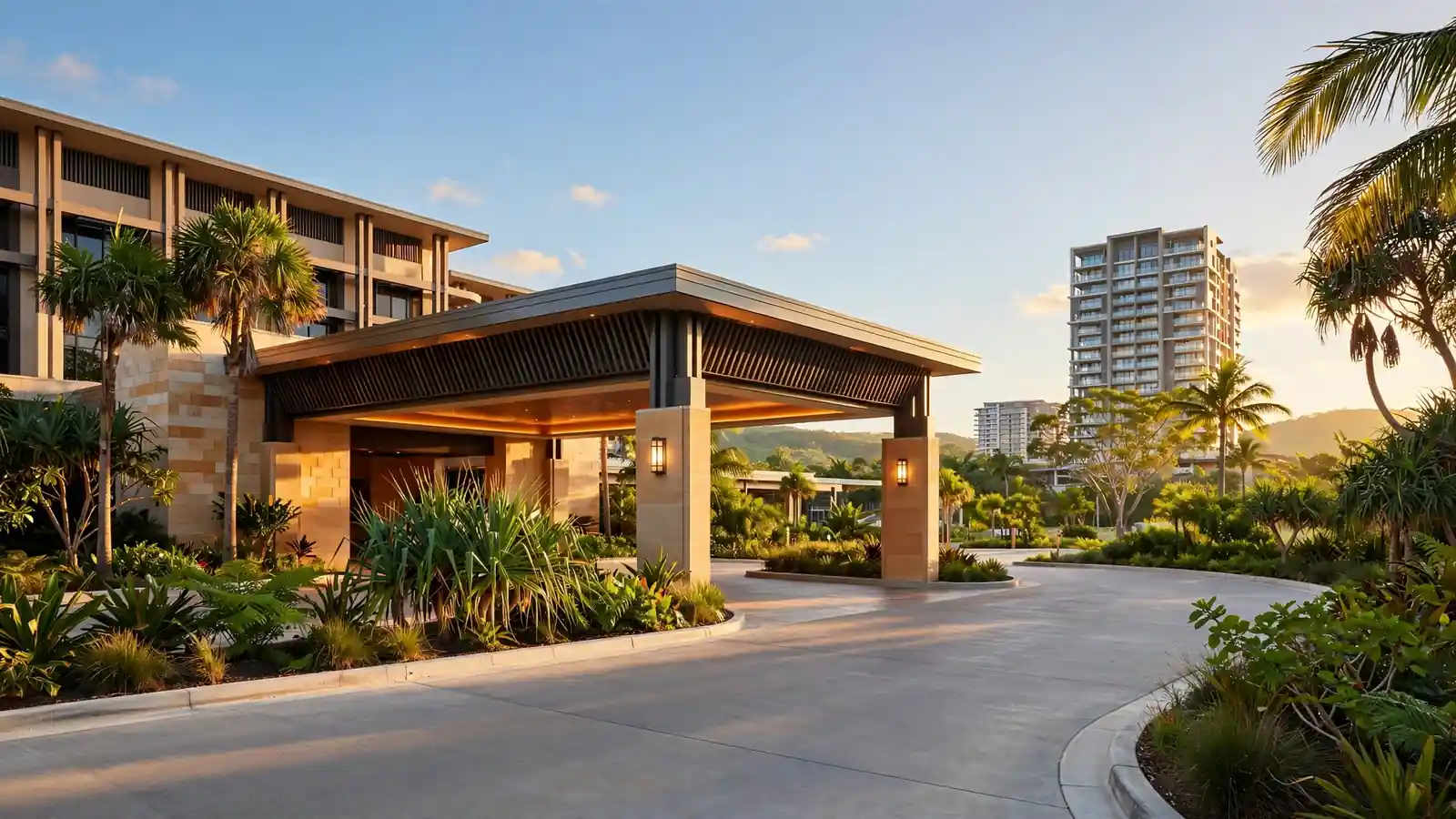
The word “resort” does a great deal of work. It suggests that the practical details of a visit—where to eat, where to stay, what else to do—have been gathered into one experience. In Sydney, however, the label should not be treated as a guarantee that every resort-style amenity is part of a casino complex. A polished name can describe an ambition as much as a set of facilities. The itinerary still needs checking.
That matters particularly for breakfast. A meal advertised in connection with a casino might be part of an accommodation package, a separate dining service or a limited event. Those are different arrangements, even when a listing compresses them into a single appealing phrase. Confirming what is included, where it is served and whether a booking is required prevents the common confusion between a casino visit and a complete resort package.
Rewards programmes belong to the same promise of a joined-up experience. They may connect visits with offers or member benefits, but the practical value lies in the terms: who can join, what purchases count, whether benefits have conditions, and how long an offer remains available. A rewards label alone does not establish that breakfast, a buffet or a room is included. Benefits are governed by their own rules, not by the atmosphere suggested in a brochure.
There is also a quiet social history in the resort idea. Casinos have long borrowed the language of hospitality to make gambling one feature of a broader leisure setting. That framing can make a visit feel ordinary, even domestic: breakfast first, entertainment later, perhaps a stay attached. The distinction between hospitality and gambling remains, though. A meal or membership offer is not a reason to treat gambling as a way to fund leisure spending.
Employment searches sit at the edge of this cluster. People looking for casino jobs may be interested in hospitality, customer service, operations or other work connected with a large venue; those are different questions from whether the venue offers breakfast. Job openings and conditions change, so a current careers page is more reliable than an old listing or a broad claim about available roles. A search for work should not be mistaken for evidence that a particular position is open.
The resort experience, then, is less a single package than a set of details to establish separately: meals, membership benefits, accommodation and employment information each have their own terms. The appeal is the promise of everything in one place. The useful habit is to check what is actually joined—and what is merely nearby in the imagination.
Online Casino Searches and the Australian Legal Line
“Casino in Sydney” can mean a place to visit; adding “online” changes the question. A Sydney venue and a website offering casino games are not interchangeable, even when a search combines them under the same city name. The distinction matters because Australia’s rules draw a firm line around who may provide online gambling services to people in the country.
Under the Interactive Gambling Act 2001, an operator based in Australia cannot offer online casino gambling to people located here. The restriction covers pokies as well as table games such as blackjack and roulette. A website’s Australian branding, a local-looking address or a Sydney reference does not turn a prohibited online service into a lawful local casino.
Offshore platforms sit in a more complicated position. Australian law does not regulate them as domestic casino services, and the legal treatment of their use is not the same as the legality of an operator offering prohibited games here. Players are not criminally liable merely for using an offshore site, but that does not make the platform locally licensed, protected or equivalent to a Sydney venue. Authorities actively block and enforce against prohibited services. The grey area is not a seal of approval.
Legal Restriction
Under the Interactive Gambling Act 2001, operators based in Australia are prohibited from offering online casino gambling to people located within the country.
That distinction also matters when money is involved. Offshore operators fall outside Australian consumer and gambling regulation, leaving limited routes for resolving disputes; funds may also be at risk if an operator becomes insolvent. Promotions can carry demanding wagering conditions, withdrawal caps or terms that allow winnings to be voided. A specialist review has reported that some operators limit weekly withdrawals to AU$4,000, a condition that could matter to a jackpot winner; that is a report about some operators, not a rule applying to every site. No bonus should be read as cash already in hand.
A VPN does not change the legal character of the service. It can make a user’s digital location appear to be elsewhere, but using one to reach region-blocked pokies sites breaches those sites’ terms and may result in account suspension. It can also complicate a dispute over access or funds. A technical workaround is not a consumer safeguard.
Bingo, dining and parking are questions about an in-person visit, not evidence that online casino games are available lawfully in Sydney. Dining arrangements, parking access and any valet service should be confirmed through the venue’s current information before travelling; names in a search result are not a guarantee of a particular facility. “Free parking” is especially a question to verify, not an entitlement that can be inferred from the casino label.
The phrase “Sydney casino online” therefore joins two things that Australian law keeps apart: a physical destination and remote casino gambling. One may prompt questions about meals, bingo or getting there. The other is prohibited for operators providing casino games to people in Australia, whether the site is presented as local or based offshore. The wording can blur the line. The law does not.

Accommodation Beyond the Hotel
A stay near Sydney’s casino can mean more than booking a room in the complex or choosing a conventional hotel. The wider accommodation question is about how a temporary base fits around the visit: its distance from the venue, the route between the two, and whether the arrangement suits the rest of the trip. Those are practical considerations, not guarantees attached to a casino-branded deal.
The phrase “near the casino” is elastic. It may describe somewhere within an easy walk, a place reached by public transport, or accommodation that looks close on a map but makes more sense by car. Sydney casino accommodation searches therefore benefit from being treated as a location problem before they become a price comparison. The venue’s location is only one point in the journey; the accommodation’s address and the available route matter just as much.
Deals need the same restraint. A promotion may apply to a particular date, room type, booking channel or cancellation condition, so the headline alone cannot establish whether it represents useful value. A package that includes extras may suit one itinerary and be irrelevant to another. The terms are the substance; the word “deal” is mostly decoration.
A sensible comparison starts with the complete cost and the conditions attached to it. That means checking what is included, when payment is due, whether the booking can be changed, and what happens if plans shift. Availability and prices change, so a claim about the best accommodation deal cannot stand in for checking the offer at the time of booking. Cheap on the first screen is not always cheap at checkout.
- Compare the complete cost including all conditions
- Verify the actual walking route to the venue
- Check the specific room category and booking terms
- Rely solely on a map pin for proximity
- Assume a headline price is the final cost
- Treat the word “deal” as a guarantee of value
Location also changes the shape of a visit. A nearby base can reduce travel between accommodation and the casino, while a stay farther away may make more sense when other parts of Sydney are the priority. Neither choice is inherently better. The useful measure is how well the place fits the whole itinerary, rather than how closely its listing repeats the casino’s name.
Parking belongs in that calculation for anyone travelling by car. “Parking nearby” can refer to different facilities, and proximity alone says nothing about access, availability or charges. Those details should be confirmed with the accommodation or parking provider before arrival. A map pin is not a parking plan.
Some visitors may also look for gaming machines at or around a casino while arranging a stay. That is a separate question from accommodation: Electronic Gaming Machines (EGMs) are gambling facilities, not a feature that can be inferred from a lodging listing. In NSW, poker-machine gambling has its own age and protective rules; it should not be confused with casino table games or treated as an incidental part of a room booking.
Opening and trading hours are similarly distinct from where to sleep. They can affect the timing of an outing, but accommodation availability does not establish when a venue or its facilities are operating. Current details should be checked directly before plans are built around them. A booking confirms a bed, not a schedule.
The broader search, then, is less about finding a single official “casino accommodation” category than matching a place to the visit’s real logistics. Distance, transport, parking, booking conditions and the full price tell a more useful story than a promotional label. No magic address.
Contact Details, Bars and Table-Game Searches
Contact details are the least glamorous part of a casino visit, which is precisely why they matter. A phone number copied from an old directory can lead nowhere; a map pin can mark an entrance that is not the entrance a visitor needs. For Crown Sydney or another venue, current contact information and directions should be checked through the operator’s own channels before setting out. The distinction between a street address, a vehicle entrance and a public entrance is practical, not cosmetic.

A map is useful for orientation, but it does not settle every question about access. A car park shown nearby may be privately operated, have its own entry point or be subject to conditions that a map does not explain. Parking availability, access arrangements and any charges can change, so those details belong with the venue or car park operator rather than in an undated directory listing. A little checking is less dramatic than circling the block.
Bars raise a similar problem of expectation. A search for a casino bar may mean a place to meet before an event, a late stop after one, or simply a drink within the venue. Those are different plans, and a general map or promotional image cannot establish which spaces are open, what their entry conditions are or whether bookings are needed. Current venue information is the sounder guide. This is not a dining recommendation; it is the difference between knowing a bar exists and knowing it suits the visit.
Baccarat and craps searches should be treated with the same care. A game name in a listing does not confirm that a table is operating at a particular time, or that it is available to every visitor. Physical casino table games also belong to a different category from online casino services: the legal restrictions on online casino-style games in Australia concern services provided over the internet, not a shortcut for inferring what a Sydney venue currently offers. Availability should be confirmed directly with the operator.
The word “casino” can blur these distinctions. NSW has poker-machine rules that do not turn Electronic Gaming Machines into baccarat or craps tables; they are different forms of gambling, governed and experienced differently. For poker-machine gambling in NSW, the legal age is eighteen, and venues use identification checks. NSW also requires pre-commitment systems in which players set a loss limit before playing. These safeguards sit within a public framework that treats gambling as a regulated activity, not merely another service at a resort.
Concert plans make direct confirmation useful for a different reason. A venue’s contact page may clarify where event information is published, while the event organiser may handle ticketing, entry arrangements or access questions. A casino map alone cannot answer those questions, and a search result may outlive the event it once described.
The dependable sequence is plain: confirm the venue, check its current contact channel, then verify the particular service—parking, bar access, a table game or an event. The details may be ordinary. The wasted journey is not.
Opening, Events and the Casino’s Public Life
A question about whether a Sydney casino is open sounds simple, but it can refer to a particular venue, a particular part of it, or a change in its operating status. Crown Sydney and Star Casino are distinct operators; a result about one does not settle the status of the other. Opening hours, temporary closures and reopening information are time-sensitive, so older listings can linger after circumstances change. The useful distinction is between a venue’s general public presence and the current status of a particular service or event.
The same caution applies to searches about a casino reopening. The word may point to a past interruption, a proposed change or a current operational update. Without a dated announcement from the venue or a relevant authority, it should not be treated as proof that a closure has occurred—or that a reopening is scheduled. In a city where large venues attract public attention, rumour can acquire the polished appearance of a notice.
Development searches need similar care. The phrase may concern a building, a planning process, employment or the wider effect of a casino on its surroundings. Those are different subjects, and a headline about one should not be taken as confirmation of another. A claim about proposed development is not the same as an approved project, while an approved project does not by itself establish what has been completed or when it will open. The paperwork matters. So does the date.
Events are another part of a casino’s public life, but listings can change and may apply only to a particular venue or date. A concert, public programme or private function should be checked against the organiser’s current information before plans are built around it. The term “entertainment” can cover very different things; it does not promise that a particular performance or event is taking place.

Employment searches are less theatrical, though no less practical. Casino work may be advertised by an operator or through a recruitment service, and a general impression that a venue is hiring is not a vacancy notice. Job titles, application requirements and closing dates belong to individual listings. A recruitment page is the relevant reference for those details, rather than old news about expansion or staffing.
Menu searches can also be misleading when detached from context. A menu belongs to a specific venue or service, and listings may not reflect current offerings. That is a question of dining information, not evidence about opening status or an event schedule.
A casino review is most useful when it makes clear what it assessed: the venue, a particular service, or a dated visit. Broad praise and sweeping criticism tell little about conditions at another time. In that sense, a review is a record, not a timetable. Public life changes; the dated notice is the firmer guide.
Address, Dress Expectations and Spa Searches
An address is the first practical fact to settle, but “Sydney casino” can refer to more than a search label. Crown Sydney is one identifiable casino operator; a booking, meeting point or transport plan should be matched to the specific venue named on the reservation or official venue information. That small distinction matters in a city where a broad name can conceal several different destinations. A map result is a starting point, not proof that it belongs to the intended property.
Dress expectations are similarly easy to misread. A photograph of a polished interior says little about the rules applied at a particular entrance, bar or event. Policies may be venue-specific, so the useful check is the current information for the exact place being visited, rather than an assumption that one standard applies throughout the casino district. This is especially relevant when a visit combines gaming with a separate booking or occasion. The dress code is not necessarily the same everywhere.
Spa searches call for the same care. A result mentioning a casino and a day spa does not by itself establish that spa facilities are part of the casino, open to outside visitors or available on the day in question. Those are separate details to verify directly before arranging a visit. Resort imagery has a talent for making every amenity look adjacent. Geography is less obliging.
Bars and career information also belong to distinct practical checks. Bar details should be confirmed through the relevant venue listing, since a casino name alone does not identify which bar, entry conditions or service information applies. Employment information is best sought through the operator’s official careers channel; third-party listings can be out of date or refer to a different role or employer. A familiar brand is not a hiring notice.
For any visit, the most reliable sequence is simple: establish the exact venue, confirm its address against the booking or official listing, then check the current dress and amenity information for that venue. The same approach applies when the purpose is a spa appointment, a drink or an employment enquiry. These are ordinary details, but they shape whether an outing begins smoothly or with a detour. Sydney’s casino district is not a single room with a single set of rules.
Final Planning Tips
- Match your booking to the specific venue name and official address
- Check current dress codes and amenity access for the exact area being visited
- Verify the status of spa, bar, or employment services through official operator channels
- Confirm the precise location and booking conditions for dining options
Restaurants Around the Casino
A restaurant associated with a Sydney casino can mean several different things: a dining room inside the venue, a place in the surrounding precinct, or a restaurant elsewhere in the city that happens to appear in the same search. Those are not interchangeable plans. The name attached to a result matters less than its address and the kind of service it actually offers.
For a sit-down meal, the useful details are ordinary ones: whether the venue is open on the intended evening, whether it takes bookings, what its menu covers, and whether its dining room is separate from a bar or event space. These details can change, and a listing that simply says “at the casino” may not make clear whether the restaurant is inside the building or nearby. A map pin and the venue’s own current information are better guides than an appealing label.

That distinction also matters for people looking for restaurants near Sydney’s casino district rather than within a casino complex. A short walk on a map can feel different at night, in rain, or when a group is trying to keep a booking time. The city’s dining geography is not a single room with one entrance. It is a collection of venues, streets and precincts, and the phrase “near the casino” can stretch according to whoever wrote the listing.
The rooftop-bar search belongs to a related but separate category. A rooftop bar may serve food, but that does not make it a restaurant, and the wording of a listing alone cannot establish that a casino has one. It is sensible to check whether a venue is actually operating, whether it accepts diners rather than drinks-only guests, and whether access is subject to a booking or event arrangement. A view is not a menu.
For a meal built around conversation, the dining room itself matters as much as the casino setting. Noise, table spacing, service style and the pace of a meal shape whether a place suits a long dinner or a stop before another activity. Those qualities cannot be inferred from a photograph of a polished interior. Nor does proximity guarantee that a restaurant is part of the casino’s own operation.
Sydney’s casino restaurants, then, are best understood as a practical choice rather than a single attraction. Confirm the precise venue, current menu and booking conditions before setting out, especially when a search result uses broad wording such as “inside” or “nearby.” The distinction is small on a screen. At the door, less so.
Food Options and the Pool Query
Food searches around Sydney’s casino often point to different needs: somewhere for a quick bite, a broad choice of casual food, or a place to sit down. Those are not interchangeable. A food court suggests several quick-service choices gathered in one area; “food options” may cover a wider mix of outlets and service styles. The label alone does not establish what is open, where it is located, or whether access is limited to particular visitors.
For a practical plan, the casino operator’s current venue information is a better guide than a search snippet or an old directory entry. Check the listed facilities, opening details and any access conditions before setting a route around them. A venue’s food offering can be part of a larger visit, but it should not be assumed to include a dedicated food court simply because that phrase appears in a listing. Small distinctions matter when time is short.
The pool question needs the same care. A casino may sit within a resort setting, but that does not by itself confirm that a pool is available to all visitors, or that it is open at the time of a planned visit. The word “pool” can refer to a facility with its own access rules, rather than a general public amenity. Current venue information should make the distinction clear; if it does not, confirmation from the operator is more reliable than inference from photographs or third-party descriptions.
Food and swimming are practical details, not guaranteed parts of a casino visit. Treat each as a separate facility to verify, especially where access, hours or location could affect the plan. That avoids arriving with an imagined amenity in place of a confirmed one.
What is the legal status of offshore online casinos under NSW gambling law?
Australian-run online casinos cannot legally offer online casino games to people in Australia. Australian players can technically use offshore casinos, but those platforms are not regulated under Australian law.
Are online casino-style games restricted in Australia?
Yes. Online pokies, blackjack and roulette are restricted for operators based in Australia, while sports betting remains widely accessible and legal. Offshore casinos or software providers may also block games for Australian players based on their location or licensing requirements.
How do NSW pokies rules protect players?
Poker-machine venues must check that players meet the legal age of 18, and NSW requires pre-commitment systems that let players set a loss limit before playing.
How do online pokies operate?
Each online pokie uses a random number generator, so every spin is independent and past results do not affect the next one. Its RTP is the theoretical share of wagers returned over a very large number of spins.
How do club pokies and online pokies compare?
Club pokies are played at venues, while online pokies use a random number generator and can be affected by country-based game restrictions. Club Liverpool has the highest number of operational poker machines among NSW clubs.
Published by the Wildtokyoslotshubau.com team.